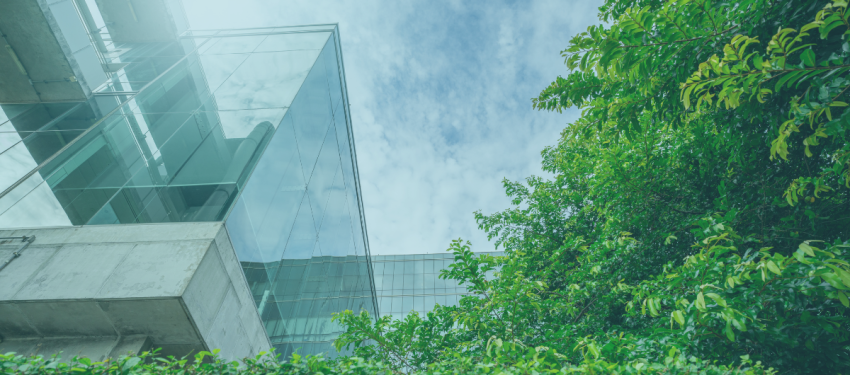
Urban landscapes are undergoing a rapid evolution, characterized by the dual pressures of climate change and shifting social paradigms, compounded by the transformative effects of digitalization. Urban regeneration projects are developed to respond to the dynamic nature of this scenario.
Redo Sgr is a benefit corporation that manages sustainable investments to strengthen communities through affordable housing and regeneration projects by prioritizing sustainable practices and social impact. The company won the 2024 Sustainable Enterprise Award, organized by Il Sole 24 Ore group in collaboration with the Holy See. It is a prestigious recognition that demonstrates once again REDO and its partner’s commitment to a responsible and future-oriented business model.
Andrea Vecci, Redo Head of Impact, Sustainability, and Communication, when asked what it means for the company to have received this major award, said: “The 2024 Sustainable Enterprise Award is a celebration of the work done to transform the real estate sector into an inclusive and sustainable development landscape. We are proud to be acknowledged for our commitment to sustainability. That confirms Redo’s business model, based on accessibility, social impact, and environmental innovation, is generating real value for communities and the market. Our mission is to create a new residential paradigm responsive to urbanization’s challenges, housing policies, and ecological transition. Redo Sgr aim goes beyond profit: we want to demonstrate that social impact and sustainability can be levers of economic growth and innovation and that real estate can be a key player in building more liveable and resilient cities”.
Urban Regeneration Project’s social impact on buildings and communities
Urban regeneration projects can add economic and social value to an area by recognizing the local heritage and sense of identity. This approach generates economic benefits by providing new homes, jobs, and investment demand. Projects of this nature require consideration of environmental and social sustainability issues, given their scope ranges from individual buildings to entire communities. It is essential that a team of experts, specialized in various disciplines, collaborate with a co-design approach to achieve optimal solutions with a shared vision. From the environmental point of view, energy efficiency, climate resilience, materials use, and biodiversity protection should be considered within the development strategy. On the other hand, addressing social sustainability matters means promoting mobility, wellbeing, and innovation. As a matter of fact, even climate change affects different areas in different ways, creating unfair negative impacts on some groups more than others. Defining a climate action plan that addresses inclusivity and equity enables developers to support local needs effectively. To achieve this, infrastructure development initiatives should return a benefit to people that translates into a sense of belonging.
Elisa Sirombo -GET CTO- commented on the difference between working at urban and building scale: “To address urban challenges effectively, we must shift from a micro to a macro strategic vision, focusing on environmental and social sustainability on a larger scale. A holistic approach is essential in order to take advantage of positive interactions between buildings and communities in terms of resource management, energy management, sustainable mobility, water management, and climate resilience. The main challenge lies in coordinating various sustainable strategies at urban and building levels and implementing solutions within existing consolidated contexts while improving their long-term environmental and social impacts. This also presents a significant opportunity to develop scalable solutions and technologies, advancing towards the low-carbon and resilient city concept.”
Urban regeneration projects are complex and challenging, but they enable the transformation of neglected areas into attractive and vibrant communities. GET has supported 6 urban sites that have been (or are being) redeveloped; one example is the Aria ex-Macello Redo’s project in Milan, for which GET monitored the environmental performance and managed the LEED for Cities and Communities Certification.
The Project won the second edition of Reinventing Cities, and the main objectives are:
- Becoming an area Carbon Negative;
- Increasing the attractiveness of the site;
- Creating dynamic and inclusive spaces.
GET and REDO partnership
GET has collaborated with Redo across multiple Reinventing Cities projects by defining a building process for the monitoring of sustainability strategies in urban regeneration projects. According to Elisa Sirombo: “Redo has high standards regarding social and environmental sustainability matters. Working with them means being able to pursue ambitious goals like we did in the ‘Aria Ex-Macello’ urban regeneration project. This development aspires to become the first Carbon Negative area in Milan. Moreover, REDO and GET have participated in several C40 Reinventing Cities calls for tenders for large-scale urban projects. These experiences pushed us to strengthen the quality of our processes even further, leading GET to achieve ISO 9001 certification”.
Great results are achieved through collaboration. Andrea Vecci describes the relationship between Redo and its partners as follows: “The achievement of Redo’s sustainability goals is made possible by a network of highly specialized partners and suppliers who share our vision of responsible and innovative urban development. We collaborate with experts in sustainable design, engineering, social innovation, energy efficiency, and mobility, enabling us to integrate the best technological and eco-sustainable solutions into our projects. This synergy is essential to be able to face the complex challenges of urban regeneration, which requires not only economic resources but also technical know-how and the ability to develop housing models capable of meeting the needs of a wide range of stakeholders. The partners’ contribution is essential to ensure the success of initiatives such as Reinventing Cities. With their support, we can implement advanced solutions such as nZEB buildings, smart energy management systems, rainwater recycling technologies, and shared spaces and collaborative activities that foster social cohesion.”
Social impact should be considered in urban regeneration design strategies to enhance individual uniqueness while strengthening the local community. Combining multiple specializations allows developers to achieve targeted sustainability goals creating a positive return for the tenants.